Elevate Your Designs with Mint Watercolor Floral Clipart
There’s a particular quality to watercolor that digital art often struggles to replicate. It’s the subtle bleed of one pigment into another, the delicate texture of the paper showing through, the slight imperfection that breathes life and authenticity into a design. For designers, marketers, and entrepreneurs, capturing this organic, hand-painted feel can be the key to creating work that feels warm, personal, and memorable. This is precisely where a thoughtfully curated collection of watercolor elements becomes an invaluable asset, offering a shortcut to that coveted artisanal aesthetic without requiring a paintbrush or art school training.
Beyond Flat Graphics: The Allure of Hand-Painted Elements
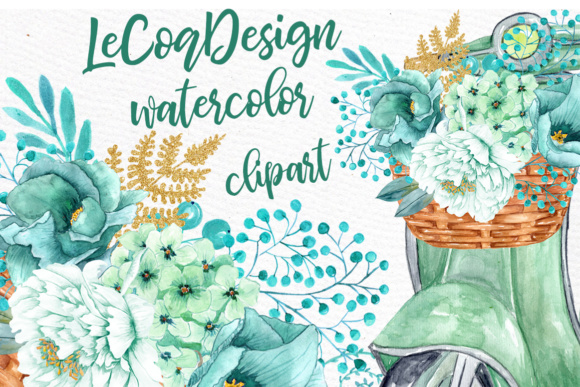
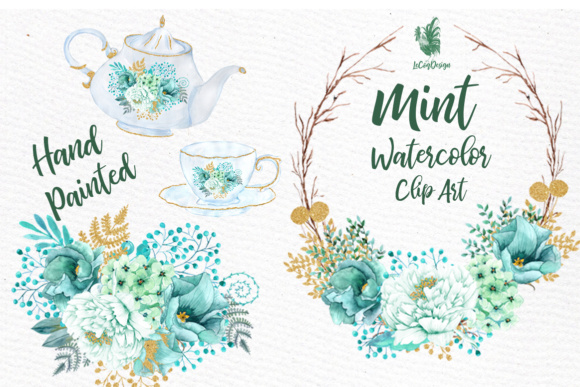
The collection we're discussing isn't just a set of generic floral shapes. It's a suite of hand-painted watercolor botanicals, each element crafted with the nuanced detail of original art. The mint and green palette feels fresh and contemporary, while the watercolor technique adds a layer of softness and depth that flat vector graphics simply cannot achieve. Imagine a delicate floral wreath that looks as though it was just lifted from an artist’s sketchbook, or a detailed floral basket that carries the weight and texture of real blooms. This level of detail is what separates amateurish designs from professional, evocative visuals. When you use these assets, you’re not just adding a picture; you’re incorporating a piece of tactile, artistic charm into your project.
This kind of premium clipart is a versatile design asset. Its strength lies in its ability to serve as a foundational element or a subtle accent, adapting to the specific tone you need to set. The included high-resolution 300 dpi PNG files ensure that whether you’re designing for a small social media icon or a large-format wedding poster, the integrity and detail of the watercolor textures remain crisp and beautiful. The generous sizing of approximately 12” by 10” gives you ample material to work with, allowing for cropping, scaling, and creative manipulation without losing quality.
Practical Applications for Modern Creators
So, how do you translate these beautiful watercolor flowers into tangible results for your brand or project? The applications are surprisingly broad, touching nearly every corner of visual communication.
For branding and logo design, a floral wreath or a single, elegant bloom can form the cornerstone of an identity for businesses in the wedding industry, artisanal goods, wellness, or boutique retail. It immediately communicates a sense of care, natural beauty, and bespoke quality. Paired with a clean sans-serif font, the watercolor clipart creates a stunning contrast between organic artistry and modern clarity, a balance that’s highly effective in today’s market.
In packaging design, these elements can transform a simple product label or box into something that feels luxurious and giftable. A floral basket motif on a soap wrapper or a delicate vine border on a candle sleeve tells a story of craftsmanship before the customer even opens the package. This visual storytelling is crucial for standing out on a crowded shelf, whether physical or digital.
The digital realm is where this clipart truly shines. For social media graphics, using these watercolor elements as backgrounds, borders, or accents can stop the endless scroll. They add a professional, polished look to Instagram posts, Facebook banners, and Pinterest pins, helping to build a cohesive and recognizable visual feed. On websites and blogs, they can be used to create custom headers, section dividers, or featured image backgrounds that enhance readability and guide the reader’s eye, all while reinforcing brand aesthetics.
Think about print materials like business cards, thank-you notes, or brochures. A subtle watercolor floral corner can elevate a standard design into a keepsake. For invitations—be it for weddings, bridal showers, or corporate events—this is where the clipart feels most at home, setting a tone of elegance and celebration from the very first glance.
Even for creators of digital products, such as printable planners, journal templates, or educational worksheets, incorporating these floral motifs can significantly increase perceived value and aesthetic appeal, making your offerings more attractive to potential customers.
Achieving Visual Harmony and Professional Polish
Using decorative elements effectively is about more than just placement; it’s about integration. The goal is to improve visual consistency across all your touchpoints. By using the same set of watercolor flowers in your logo, your website’s sidebar, and your email newsletter headers, you create a subtle but powerful thread of recognition. This strengthens your brand identity, making it more memorable and professional in the eyes of your audience.
However, balance is key. These detailed watercolor elements work best when given space to breathe. A common mistake is overcrowding a design. Instead, consider using a single, striking floral cluster as a focal point, or a simpler wreath as a delicate frame. The artistry is in the details, so allowing those details to be appreciated enhances the overall impact.
This is where thoughtful font pairing becomes essential. The organic, flowing nature of watercolor art pairs beautifully with certain typography styles. A clean, modern sans-serif font can provide a crisp counterpoint, ensuring readability while letting the floral art take center stage. Alternatively, a elegant serif font can complement the classic, timeless feel of the watercolor, creating a harmonious and sophisticated look. For a more personal touch, a carefully chosen script or handwritten font can mirror the hand-painted quality of the clipart, but this requires careful testing to ensure it remains legible, especially in smaller sizes or for longer text blocks.
Smart Choices for Your Creative Workflow
Before diving into a project, take a moment to consider the end goal. What emotion should the final piece evoke? Who is the target audience? A romantic wedding invitation will call for a different combination of these floral elements and typefaces than a bold, nature-inspired product label. Review the four included PNG files—perhaps the floral wreath is perfect for framing a monogram, while the basket offers a lush, abundant feel for a gourmet food brand.
Always test your designs in context. View a website mockup on a phone screen to ensure the watercolor details aren’t lost or too busy. Print a sample of your invitation to check that the colors reproduce as expected. This practical testing phase is what separates good design from great, functional design.
Finally, a crucial note on commercial licensing. When you acquire design assets like this, understanding the license is part of being a responsible professional. This clipart is offered as original work, and the license typically allows for use in both personal and commercial projects, which is a significant advantage for entrepreneurs and freelancers. It means you can confidently use these beautiful watercolor flowers in client work, on products for sale, and across your marketing materials, knowing you have the right to do so. This peace of mind is a valuable component of any premium design resource.
In the end, great design is about communication. It’s about using every tool at your disposal—color, shape, texture, and type—to convey a specific message and feeling. Incorporating authentic, hand-painted watercolor elements like this floral clipart is a powerful way to add depth, emotion, and a touch of handmade artistry to your visual language, helping your work connect on a more human level.