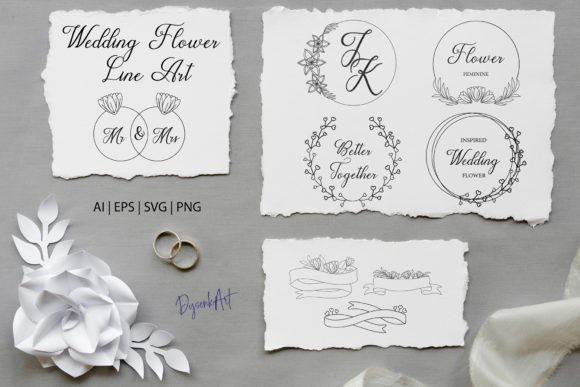
Wedding Flower Line Art: Elegant Vectors for Your Creative Projects
Finding the perfect visual elements for wedding-related designs can be a delicate balance. You want something that feels romantic and timeless, yet modern enough to stand out in a crowded market. This is where high-quality line art illustrations become invaluable, especially when they capture the organic beauty of floral arrangements. These assets offer a versatile solution for designers and entrepreneurs who need to create cohesive, professional-looking materials without spending hours on custom illustration.
The Timeless Appeal of Botanical Illustrations
What makes floral line art so effective in design? It’s the combination of simplicity and detail. These illustrations strip away complex color palettes and shading, focusing instead on clean, confident strokes that outline petals, leaves, and stems. This style evokes a sense of handcrafted elegance—think of a skilled calligrapher’s pen meeting a botanist’s sketchbook. The result is imagery that feels both personal and polished.
This particular set includes 14 individual pieces, provided in multiple formats: AI, SVG, EPS, and PNG. This variety ensures compatibility with virtually any design software, from Adobe Illustrator and Photoshop to Canva and Procreate. The SVG and EPS files are vector-based, meaning they can be scaled to any size without losing quality. Whether you’re designing a tiny favicon or a large-format poster, the lines remain crisp and clear.
Practical Applications for Designers and Entrepreneurs
The true value of a design asset lies in its adaptability. Here’s how these floral vectors can be integrated into a wide range of projects:
- Invitations and Stationery: The most obvious use, but also the most impactful. Use a single delicate sprig as a corner accent on a wedding invitation, or combine several illustrations to create a lush, botanical border for RSVP cards and save-the-dates.
- Logo and Brand Identity: For businesses in the wedding industry—planners, florists, bakeries, or boutiques—a floral line art element can become a cornerstone of their brand mark. It communicates sophistication and attention to detail.
- Social Media Graphics: Consistency is key on platforms like Instagram and Pinterest. Use these illustrations as backgrounds for quotes, as frame elements for announcements, or as subtle watermarks on promotional images to build a recognizable visual language.
- Packaging and Labels: Imagine a gift box for wedding favors adorned with a subtle floral pattern, or a candle label featuring a minimalist peony. Line art adds a premium, artisanal touch to physical products.
- Website and Blog Design: Break up long blocks of text with a relevant floral illustration. Use them as dividers, icons for navigation menus, or as part of a website’s overall theme to enhance the user experience with visual delight.
- Print and Editorial Layouts: Magazines, lookbooks, and catalogs benefit from decorative elements that don’t overwhelm the content. A well-placed floral vector can guide the reader’s eye and add editorial flair.
- Digital Products and Marketing Assets: Use them in digital planners, e-books, or as part of a downloadable resource kit. They can also enhance email headers, webinar slides, and promotional PDFs.
Enhancing Your Visual Communication
Integrating a consistent set of illustrations like this does more than just decorate a design. It actively strengthens your project’s effectiveness. When you use the same stylistic elements across different touchpoints—from your website to your business cards—you create visual consistency. This helps with brand recognition; your audience starts to associate that specific aesthetic with your business or project.
Furthermore, clean line art contributes to professional presentation. It shows a level of care and investment in your visual materials that audiences, whether clients or followers, subconsciously notice and appreciate. This professionalism can directly impact audience engagement, as people are more likely to trust and interact with content that looks thoughtfully designed.
Making It Work: Pairing and Implementation
To get the most out of these assets, consider a few practical design principles:
Typography Pairing: The style of your floral art should inform your font choices. These elegant, flowing lines pair beautifully with script fonts or serif fonts that have a classic feel. For a more modern contrast, try combining them with a clean sans serif font. The goal is to create a harmonious dialogue between the type and the imagery.
Color and Contrast: While the files are delivered in black, their true versatility shines when you experiment with color. A single-color application (like a dusty rose or sage green) can unify a brand palette. Alternatively, use them as a knockout or foil effect for a luxurious finish on print materials.
Layout and Space: Don’t overcrowd your design. Line art works best when it has room to breathe. Use it as a focal point or a subtle accent, allowing the negative space around it to enhance its elegance.
Commercial Considerations: Always review the licensing agreement that accompanies any design asset. For this collection, the included files are typically licensed for a wide range of commercial uses, which is essential for small business owners and content creators who intend to sell products or use the graphics in client work. This removes legal guesswork and lets you focus on creating.
Ultimately, a collection like Wedding Flower Line Art is more than just a set of pretty pictures. It’s a toolkit for building a more cohesive, professional, and engaging visual presence. By applying these illustrations thoughtfully across your branding, packaging, and digital content, you create a seamless aesthetic experience that resonates with your audience and elevates your work.