Wedding Flowers Bouquets Clipart1: Watercolor Elements for Designers
There’s something about watercolor that stops the scroll. The soft bleeds, the delicate gradients, the way colors blend into one another—it feels handmade, organic, and unmistakably human. In a world saturated with flat vectors and sterile digital graphics, hand-painted watercolor elements carry a warmth that resonates with audiences on an emotional level. That’s exactly what makes this particular collection worth a closer look.
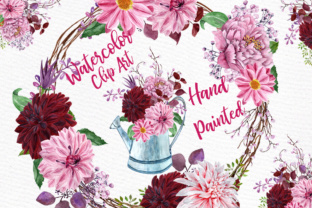
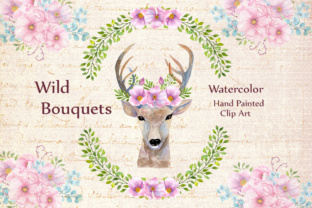
Wedding Flowers Bouquets Clipart1 is a set of 11 PNG files, each rendered at 300 DPI with individual elements sized at approximately 12 by 10 inches. Every piece is hand-painted watercolor, representing the artist’s original work. These aren’t AI-generated illustrations or traced stock images—they carry the subtle imperfections and natural flow that only come from a brush meeting wet paper. For designers, crafters, and creative professionals, that distinction matters more than most people realize.
Why Hand-Painted Watercolor Elements Stand Apart
Clipart gets a bad reputation sometimes, and honestly, a lot of it earns that reputation. Generic flowers, stiff arrangements, oversaturated colors—there’s plenty of forgettable stuff out there. But when someone sits down with actual paints, mixes pigments by hand, and translates a physical painting into a high-resolution digital file, the result has a character that stock graphics simply cannot replicate.
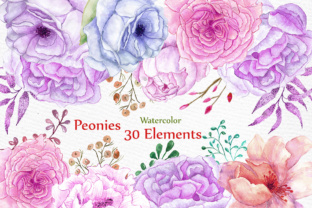
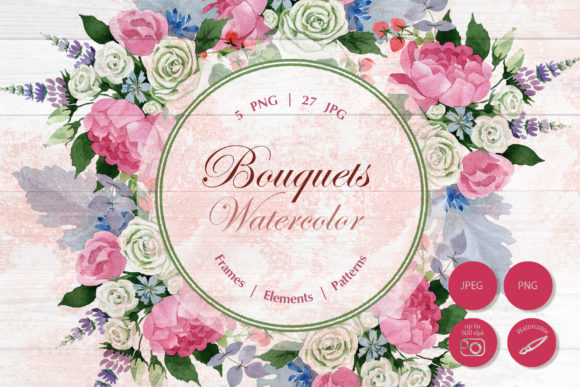
The flowers in this collection have visible brushstrokes. Petals overlap with transparency rather than hard edges. Greens and pinks bleed into each other the way real watercolor does on paper. That level of authenticity translates directly into the final design, whether it ends up on a wedding invitation, a social media post, or product packaging. Viewers may not consciously analyze why something looks premium, but they feel it—and that feeling drives engagement.
Real-World Applications for Designers and Business Owners
Let’s talk about where these elements actually fit into real projects. The versatility here is broader than most people expect from a wedding-themed clipart set.
Wedding and Event Invitations are the obvious starting point. Stationery designers can incorporate individual bouquets as focal points on save-the-dates, RSVP cards, and ceremony programs. The 300 DPI resolution means these files hold up beautifully in print, even at larger sizes. No pixelation, no muddy details—just clean, crisp watercolor.
Branding and Logo Design might seem like a stretch for clipart, but think about florists, wedding planners, bridal boutiques, and event venues. A watercolor bouquet element can serve as a logo mark or a secondary brand asset. When paired with a clean serif font or a flowing script typeface, these illustrations help establish an elegant, approachable brand identity that feels curated rather than mass-produced.
Social Media Graphics benefit enormously from watercolor textures. Instagram posts, Pinterest pins, Facebook headers, and story templates all need visual elements that stand out in a crowded feed. A hand-painted floral arrangement layered behind a quote or announcement adds depth and sophistication without overwhelming the text. The PNG format with transparency makes layering straightforward in virtually any design software.
Packaging Design for artisan products—think candles, soaps, teas, chocolates, bath bombs—pairs naturally with watercolor florals. Small business owners who sell handmade goods often struggle to find design assets that match the organic, crafted nature of their products. These bouquets bridge that gap perfectly, offering a visual language that communicates quality and care.
Website and Blog Design can use these elements as header images, section dividers, background accents, or featured image enhancements. Bloggers writing about weddings, lifestyle, gardening, or motherhood will find endless ways to incorporate floral watercolors into their visual content strategy. The key is restraint—using one or two elements strategically rather than scattering them everywhere.
Print Materials like thank-you cards, business cards, menu designs, table numbers, and signage for events all benefit from high-quality floral graphics. At 12 by 10 inches, these elements are large enough to work in full-page layouts without needing to tile or repeat them awkwardly.
Digital Products and Merchandise present another strong use case. Printable planners, wall art, journal covers, sticker sheets, and T-shirt designs can all incorporate watercolor bouquets for a polished, professional result. Creators selling on Etsy, Creative Market, or their own Shopify stores understand that visual quality directly impacts perceived value and conversion rates.
Matching Visual Assets to Your Brand Strategy
Not every project calls for watercolor florals, and recognizing that is part of good design judgment. These elements work best when the brand or project communicates warmth, femininity, elegance, nature, romance, or artisanal quality. A tech startup’s pitch deck probably isn’t the right context. But a wellness brand, a bridal magazine, a botanical skincare line, or a lifestyle blog? Perfect fit.
Consider the color palette of your existing brand identity before selecting which bouquet elements to use. Watercolor is forgiving—it blends and adapts more easily than flat graphic elements—but you still want harmony between the florals and your typography, backgrounds, and accent colors. If your brand leans neutral and minimal, a single muted bouquet can add just enough visual interest without disrupting the clean aesthetic. If your brand embraces color, layering multiple elements can create rich, layered compositions.
Font pairing also plays a critical role here. Watercolor florals pair beautifully with elegant serif fonts for a classic, editorial feel. They complement handwritten and script typefaces for a romantic, personal vibe. Even modern sans-serif fonts can work when the goal is to balance organic illustration with contemporary typography. The contrast between a structured typeface and a loose, painted element creates visual tension that keeps designs interesting.
Practical Tips for Working with High-Resolution Clipart
A few technical notes that will save you time and frustration down the road. At 300 DPI and roughly 12 by 10 inches, these files are print-ready at their native size. If you’re working on a smaller project—a business card, for instance—you can scale them down without any quality loss. Scaling up beyond the original dimensions will depend on your output requirements, but for most standard print and digital uses, the resolution provides plenty of flexibility.
The PNG format with transparency is essential for layering. You can place these bouquets over colored backgrounds, photographs, or textured surfaces without dealing with white boxes or jagged edges. In Photoshop, Illustrator, Canva, Procreate, or Affinity Designer, transparent PNGs integrate seamlessly into your workflow.
When incorporating these into client work or commercial products, always verify the licensing terms. Most premium clipart collections allow commercial use, but the specifics vary—some restrict resale of the raw files, while others permit use in end products like printed invitations or digital downloads. Understanding what’s permitted protects both you and your clients.
Building a Cohesive Visual Library
One collection of 11 elements gives you a solid foundation, but think about how these fit into your broader design asset library. Consistent visual style across multiple projects builds brand recognition over time. If you use watercolor florals in your Instagram graphics, consider carrying that same style into your email headers, website banners, and printed materials. Repetition of a visual language—when done thoughtfully—creates a cohesive experience that audiences associate with quality and professionalism.
For designers who work across multiple clients or projects, having a curated set of hand-painted elements on hand reduces turnaround time and elevates the baseline quality of every deliverable. Instead of starting from scratch or settling for generic stock, you pull from a library of assets that already carry artistic integrity.
Wedding Flowers Bouquets Clipart1 offers that kind of value—not as a shortcut, but as a starting point. The real magic happens when you combine these hand-painted elements with thoughtful typography, intentional layout, and a clear understanding of who you’re designing for. The watercolor gives you warmth and beauty. What you build with it is entirely up to you.